The result settles a question about how prime numbers are distributed, first posed in 1859.
Mathematician Levent Alpöge released a computer-readable proof, saying he developed it with the AI system Claude. Independently written programs from the Lean and Mathlib communities checked that it answers the original question.
Why it mattersThe hypothesis helps describe how much the distribution of prime numbers can depart from its expected pattern.
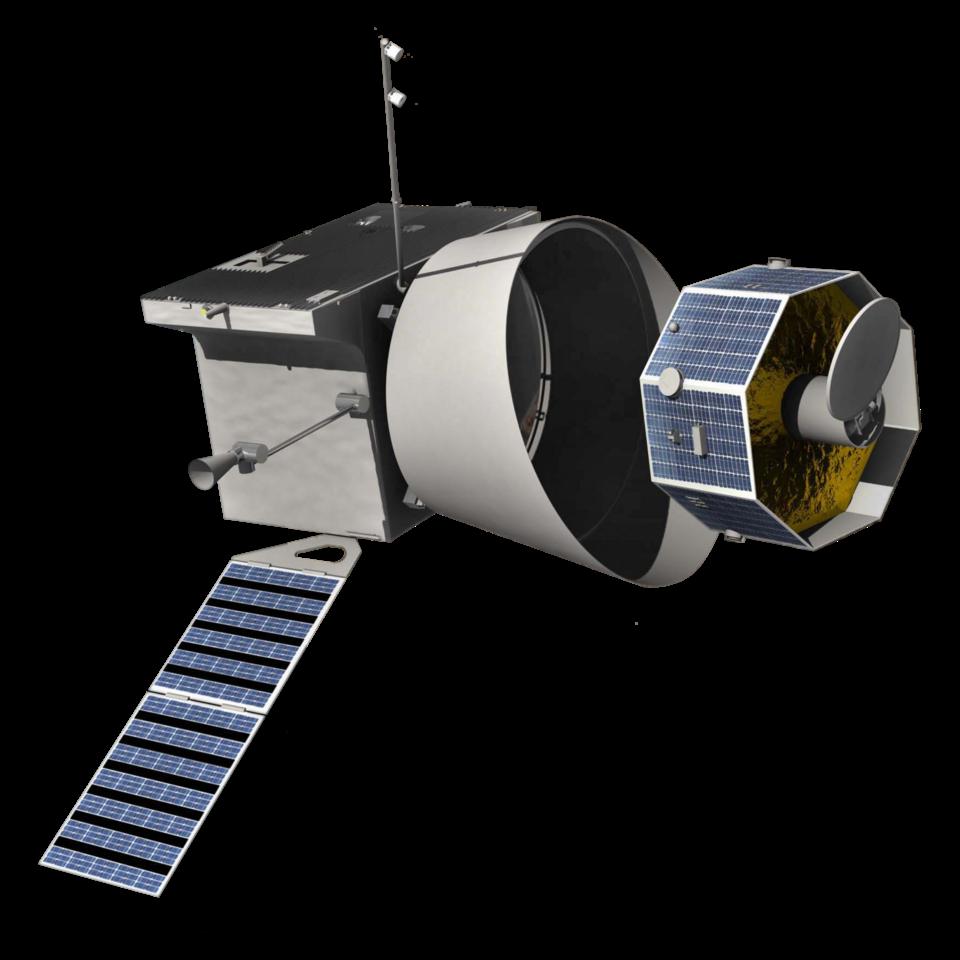
Europe and Japan’s joint mission has entered orbit around Mercury. Its two spacecraft remain joined and are due to separate in December to study the planet from different orbits.
Why it mattersObserving Mercury from two orbits could help scientists compare its surface with changes in the magnetic environment around it.
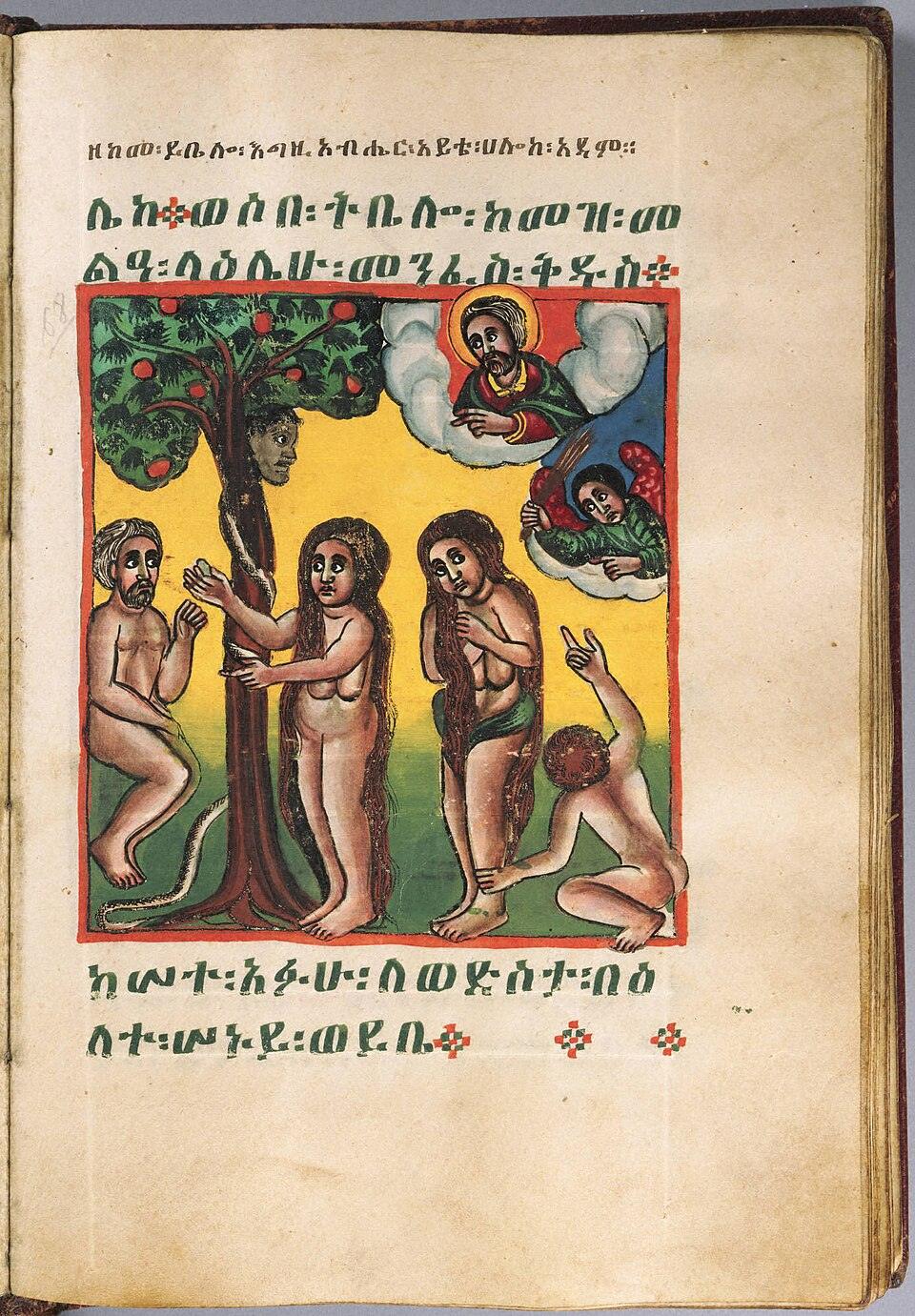
Illuminated manuscripts and inscribed metal crosses were formally handed to the Ethiopian Heritage Authority in London. The manuscripts were digitised before the handover.
Why it mattersEthiopia has control of the originals again, while researchers can still consult digital copies of the manuscripts.
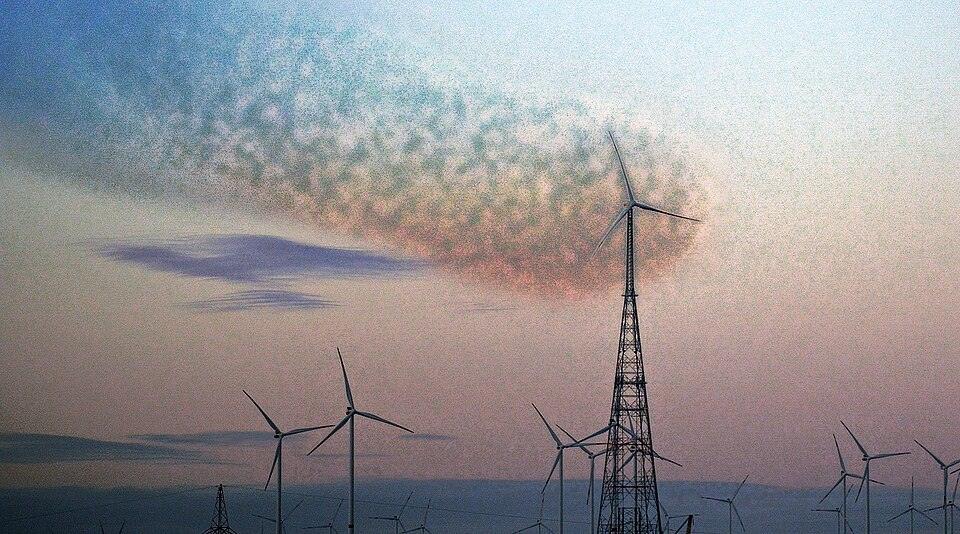
A prototype in eastern Germany has been connected to the grid and is generating electricity. Power generation is the new milestone; the turbine reached its full height earlier.
Why it mattersThe test could help show whether stronger winds higher above the ground make more inland sites viable for wind power.
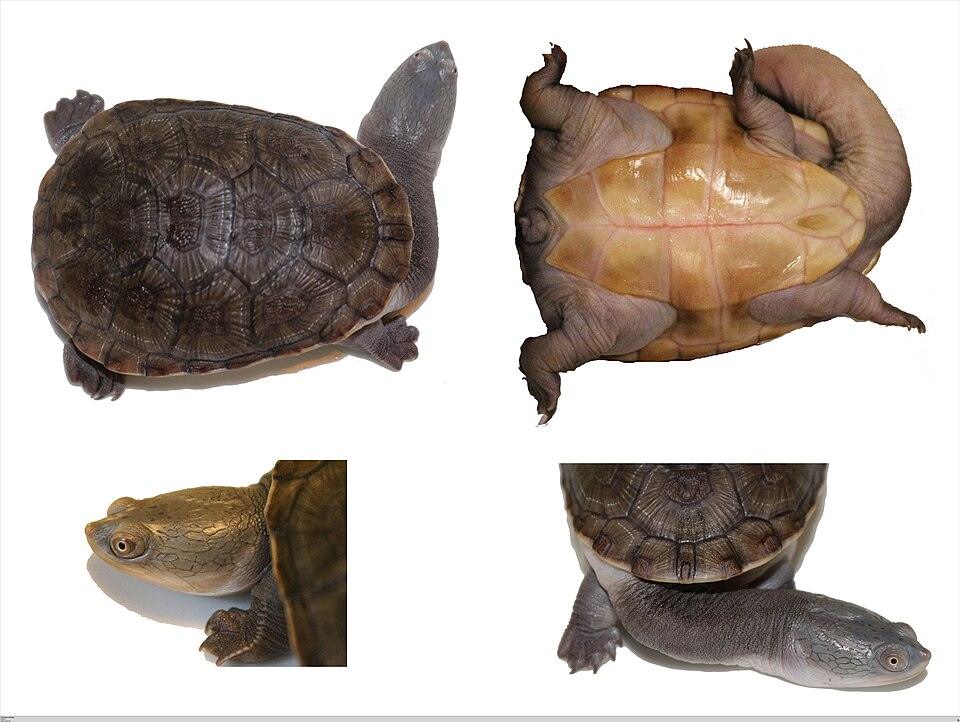
Researchers recaptured a lab-hatched southwestern snake-necked turtle in a Perth wetland, more than a year after its release. They identified it from photographs taken beforehand.
Why it mattersThe finding shows that raising hatchlings for release can get at least some young turtles through their first year in the wild.
Updated results from a small trial found that tumours shrank or became undetectable on scans for many patients receiving daraxonrasib alongside standard chemotherapy. The results were presented in Barcelona.
Why it mattersThe finding gives researchers a reason to test the combination further for a cancer with few effective options.